
Johor . NS . Selangor
News
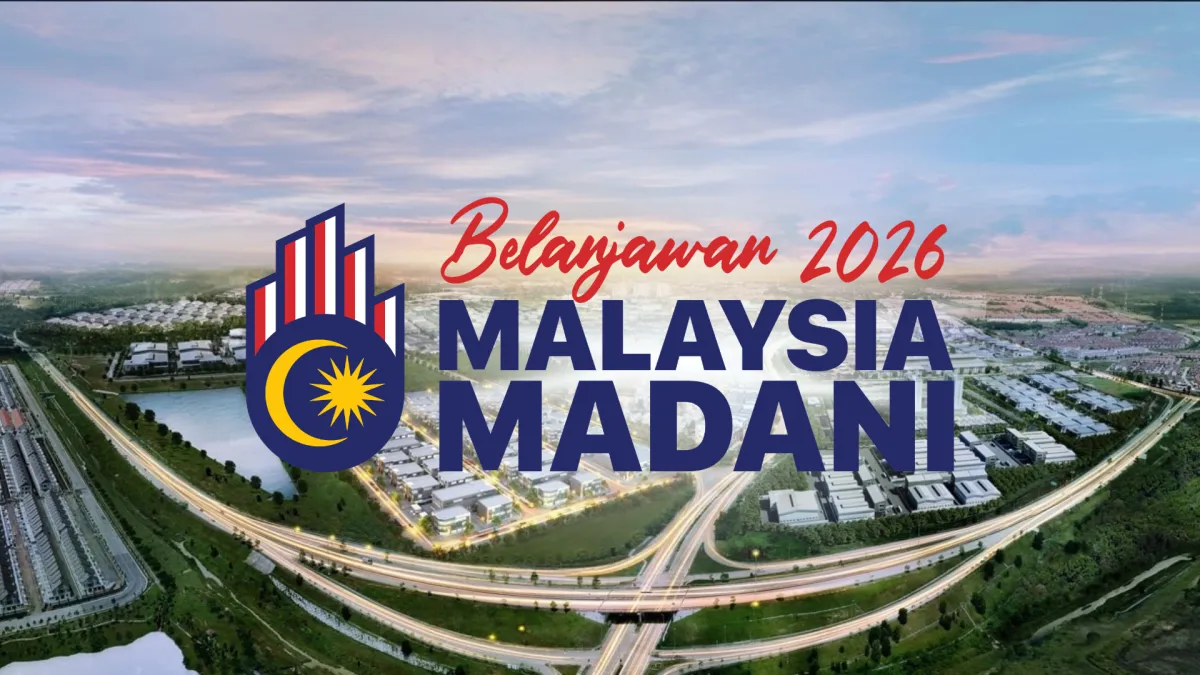
What 2026 Budget means for industry
By Eric Ng November 4, 2025
When the government tabled 2026 Budget one message stood out clearly: growth must now come with accountability.
For those of us in the industrial property sector, that shift feels both necessary and overdue.
For years, Malaysia's rapid industrial expansion has been measured in square feet and speed of construction. The 2026 Budget suggests that the next chapter will be measured by quality, safety, sustainability and the human experience within those spaces.
Among the key measures, three stand out.
The first is the carbon tax, scheduled to begin in 2026 with the iron, steel and energy sectors.
It may sound distant from property development, but its ripple effects will be immediate.
Industrial clients will start asking how energy-efficient their factories and warehouses are. Developers will need to provide buildings that help businesses reduce emissions, manage energy better and demonstrate compliance.
We see this as a healthy push. Warehouses and manufacturing hubs built today must be carbon-ready tomorrow, through design that supports renewable energy, smart monitoring and resource efficiency.
The second measure is the 10 per cent tax deduction for converting commercial buildings into residential use.
On paper, it is a modest incentive; in practice, it could help Malaysia close a long-standing gap in safe and compliant worker housing.
Many older dormitories still fall short of Act 446 standards. If even a fraction of outdated stock can be upgraded through adaptive reuse, it would be a meaningful step forward for worker welfare.
Finally, the rollout of the Outcome-Based Incentive (OBI) framework reflects a broader shift from rewarding expansion to rewarding results.
Incentives will increasingly depend on measurable outcomes, including sustainability, regional uplift and job quality.
For developers, that means aligning every new project with tangible community and environmental impact, not just construction milestones.
Worker Housing As Economic Infrastructure
The budget does not mention worker accommodation by name, but its spirit supports the idea that decent housing is economic infrastructure.
Productive factories rely on a stable, healthy workforce.
At ISP Home DC in Johor Bahru, for example, we have seen how better living environments translate into stronger retention and morale among workers.
The facility exceeds statutory standards under Act 446, integrates solar and water-saving systems, and fosters a sense of belonging through shared spaces and community activities.
These are not luxuries. They are investments in continuity. When workers are housed safely and treated with dignity, everyone benefits: employers, communities and the country's reputation as an industrial hub.
Keeping Pace With Industry Transformation
Malaysia's industrial landscape is evolving rapidly. With renewed policy focus under the 2026 Budget and continued investor attention on regions such as Johor and Penang, the bar for industrial development is rising.
Companies are no longer judged solely by how much space they build, but by how responsibly and efficiently those spaces perform.
Initiatives such as the Johor–Singapore Special Economic Zone are already driving demand for better-planned logistics hubs and compliant worker housing close to manufacturing corridors.
The next phase of growth will hinge on developers' ability to integrate sustainability, workforce welfare, and long-term operational value into every project they undertake.
The Road Ahead
The details of implementation will take time to unfold, but the direction is set. The days when "industrial growth" simply meant more buildings are behind us.
The next phase is about how responsibly we build, how we use energy, how we house people and how we future-proof assets against rising expectations.
The 2026 Budget offers both encouragement and accountability. For developers like us, it is a reminder that doing business responsibly is not just good ethics, it's good economics.
COMPANY
TopHills Realty (M) Sdn. Bhd. 201301010493 (1040335-X)
E(1)1465
0528 & 0529, Indah Walk 3, Jalan Indah 15, Taman Bukit Indah, 79100 Iskandar Puteri, Johor
QUICK LINKS
Copyright 2026 Industrial Malaysia All Rights Reserved.
